
Chassis and Load-Bearing Structure of Self-Loading Dewatering Enclosures: How Engineering Procurement Can Identify Hidden Costs
From Structural Load-Bearing to Full Lifecycle Investment: Breaking Down Cost Items Easily Overlooked in Procurement Decisions
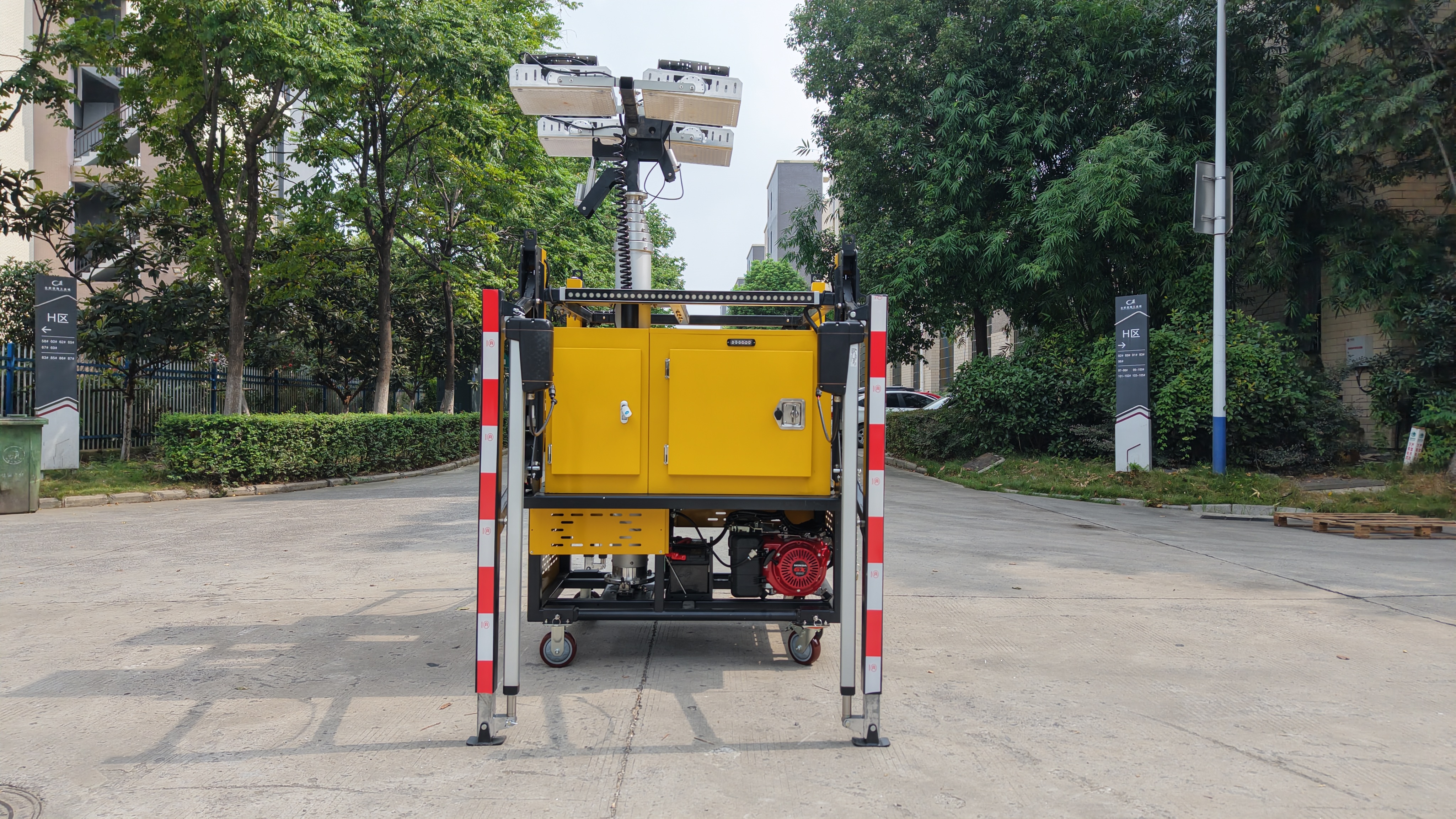
Why There Is More to the Cost Than the Quotation
Procurement decisions for emergency drainage equipment typically start with explicit indicators such as flow rate, head, and self-loading method. However, the actual operating costs after the equipment arrives on site are often determined by factors not prominently listed in quotations: chassis configuration, load-bearing structure, anti-corrosion treatment, and maintenance accessibility. For users in power, municipal, and firefighting sectors who require long-term standby readiness, incorporating these structural factors into the comparison criteria brings the evaluation closer to the true whole-life investment than simply comparing unit prices.
In addition to emergency lighting and power generation equipment, Anhui Rongpan Technology Co., Ltd. also offers shelter-type products for drainage scenarios. The following outlines several structural questions worth pursuing during technical discussions from a procurement perspective.
How Chassis Configuration Affects Deployment Efficiency and Ongoing Costs
The chassis of a self-loading drainage shelter is more than just a carrier that can be towed. Procurement teams should focus on three aspects:
- Loading method and site adaptability: Hook-arm, swing-arm, or self-contained lifting structures correspond to different site conditions. When space is constrained or ground bearing capacity is insufficient, the loading method directly affects whether the equipment can be deployed independently.
- Rigidity of the chassis-to-shelter connection: Connection points bear alternating loads during repeated loading and long-distance transport. Whether the structural design facilitates inspection of fastening conditions affects long-term reliability.
- Maintenance costs of the running gear: Tire specifications, braking type, and suspension structure determine the convenience of subsequent consumable replacement and servicing. During procurement, suppliers can be asked to specify replacement intervals and availability of wear parts; please contact us for specific parameters.
These factors do not change the one-time equipment price, but they will continue to have an impact over a three-to-five-year service life.
Load-Bearing Structure: Matching Logic of Pump Unit, Piping and Cabin
The drainage cabin houses the pump unit, piping, control components and accessories. The design of the load-bearing structure determines vibration, noise and maintenance space. During procurement, assess as follows:
- Whether load distribution is reasonable: Whether heavy components such as the pump unit are positioned near the chassis load-bearing points, and whether piping routes avoid areas of frequent personnel operation.
- Vibration damping and fixing methods: If vibration generated during pump operation lacks isolation measures, it will accelerate fatigue of pipe joints and control elements. Ask the supplier about the treatment applied at the pump unit installation position.
- Maintenance access and detachability: The cabin door opening direction and whether internal cable and pipe routing leaves sufficient operating space determine the time cost of routine maintenance and troubleshooting. Engineering personnel can simulate a pipe joint replacement during acceptance to verify accessibility.
The load-bearing structure is something "invisible but tangible." It is recommended to specify inspection requirements for key connection points in the technical agreement, rather than only agreeing on overall dimensions.
Anti-Corrosion and Sealing: Slow Variables That Determine Service Life
The drainage cabin is exposed to humid environments and outdoor conditions over the long term. Differences in anti-corrosion processes are not obvious in the short term but become evident after several years. During procurement communication, focus on: exterior surface treatment of the cabin, anti-corrosion measures in internal water-contact areas, protection design of electrical control sections, and adaptability of seals under low or high temperature conditions. This information usually does not appear in promotional materials, but suppliers can be asked to provide qualitative explanations during technical exchanges. Any data not provided shall be subject to on-site verification; please contact us for detailed parameters.
Another easily overlooked point is the convenience of draining and drying after drainage operations. Whether the cabin bottom has a reasonable drainage slope and whether piping can be easily disconnected for drying directly affect the equipment's condition when put back into service.
Include Hidden Costs in the Price Comparison List
For procurement and engineering personnel, selecting a self-loading drainage shelter is not merely about comparing unit price and nominal capacity, but about factoring chassis compatibility, structural reliability, maintenance accessibility, and corrosion protection design into the total lifecycle cost. It is advisable to require suppliers at the inquiry stage to specify the wear-part list, maintenance points, and inspection methods for key structures, and to arrange a simulated maintenance operation during acceptance. Incorporating these items into the technical agreement is more proactive than adding maintenance budget after the fact.