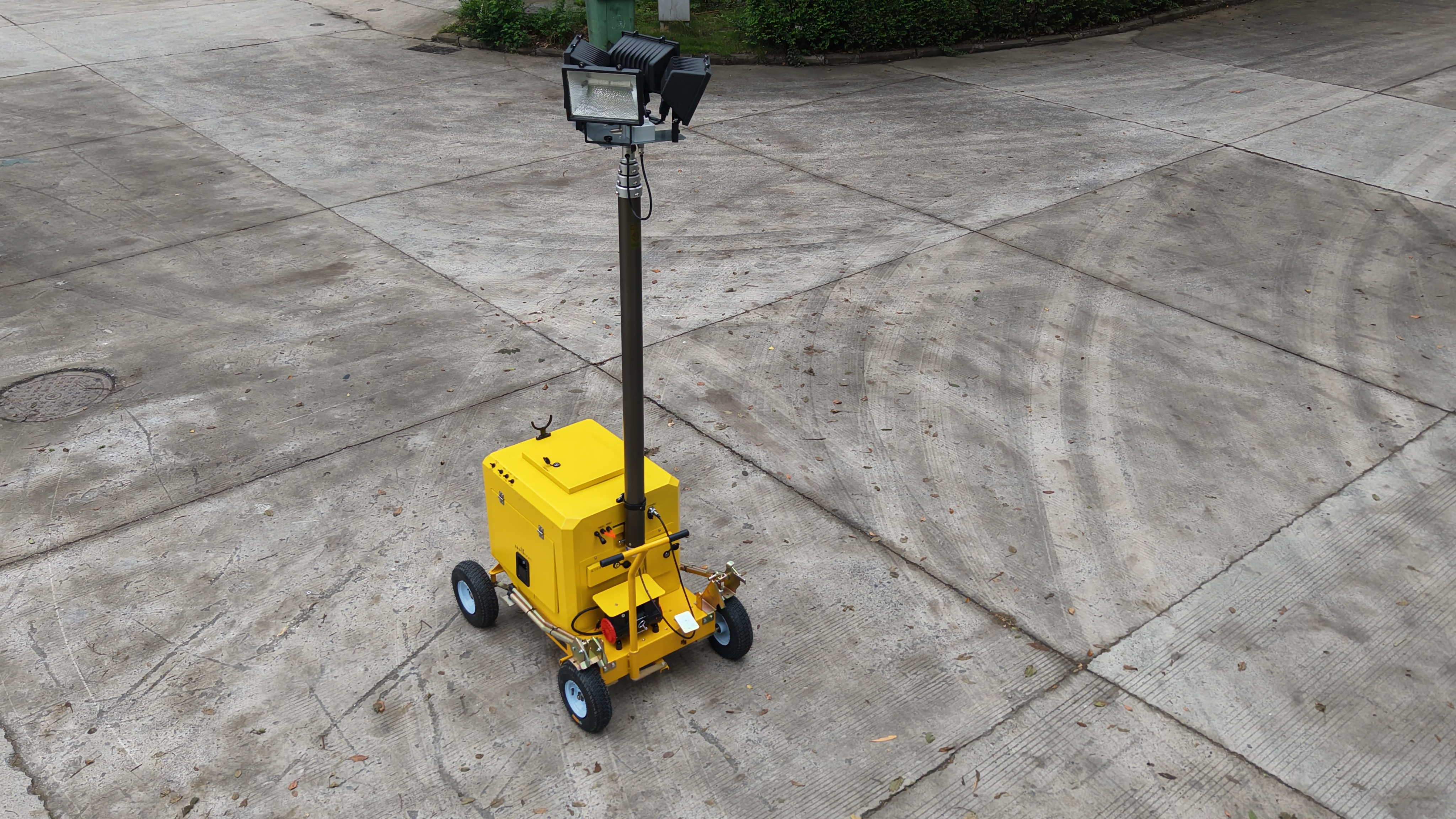
I. Product Positioning and Problems Addressed
Emergency power supply projects often face two practical challenges: first, after equipment arrives on site, loading and unloading rely on cranes and multiple personnel, with response speed constrained by external conditions; second, when multiple generator sets or multiple power sources operate in parallel, the switching process is prone to surges and circulating currents, affecting load stability. Anhui Rongpan Technology Co., Ltd. addresses these aspects by introducing the self-loading power generation cabin product form, complemented at the system level by a synchronous grid connection approach, serving temporary and backup power supply needs in sectors such as power, municipal, firefighting, mining, and agriculture.
The product positioning is not a single power generation device, but rather an integrated consideration of cabin structure, loading mechanism, electrical interfaces, and grid connection control as a whole, reducing on-site secondary modification workload.
II. Structural Features: Self-Loading and Cabin Design
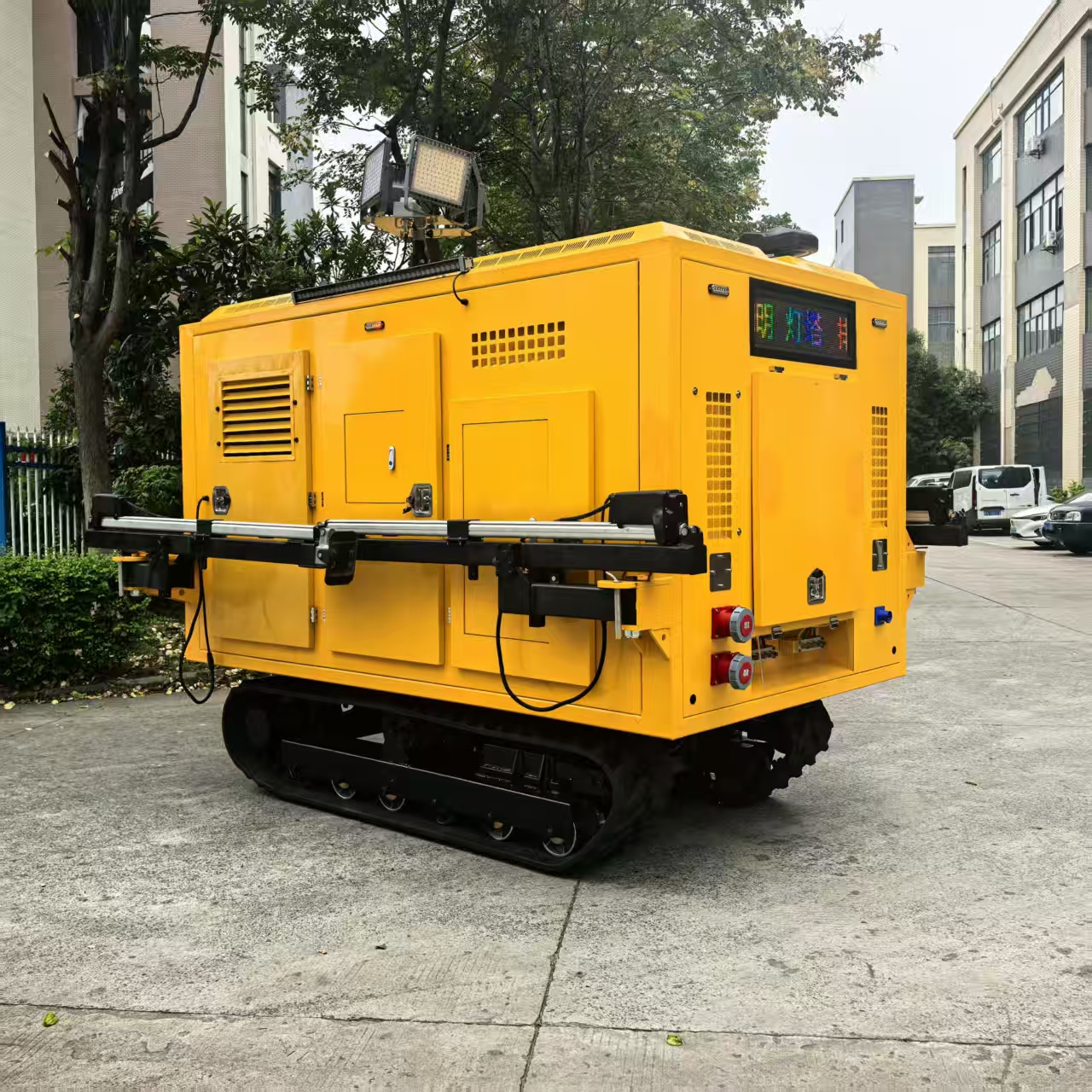
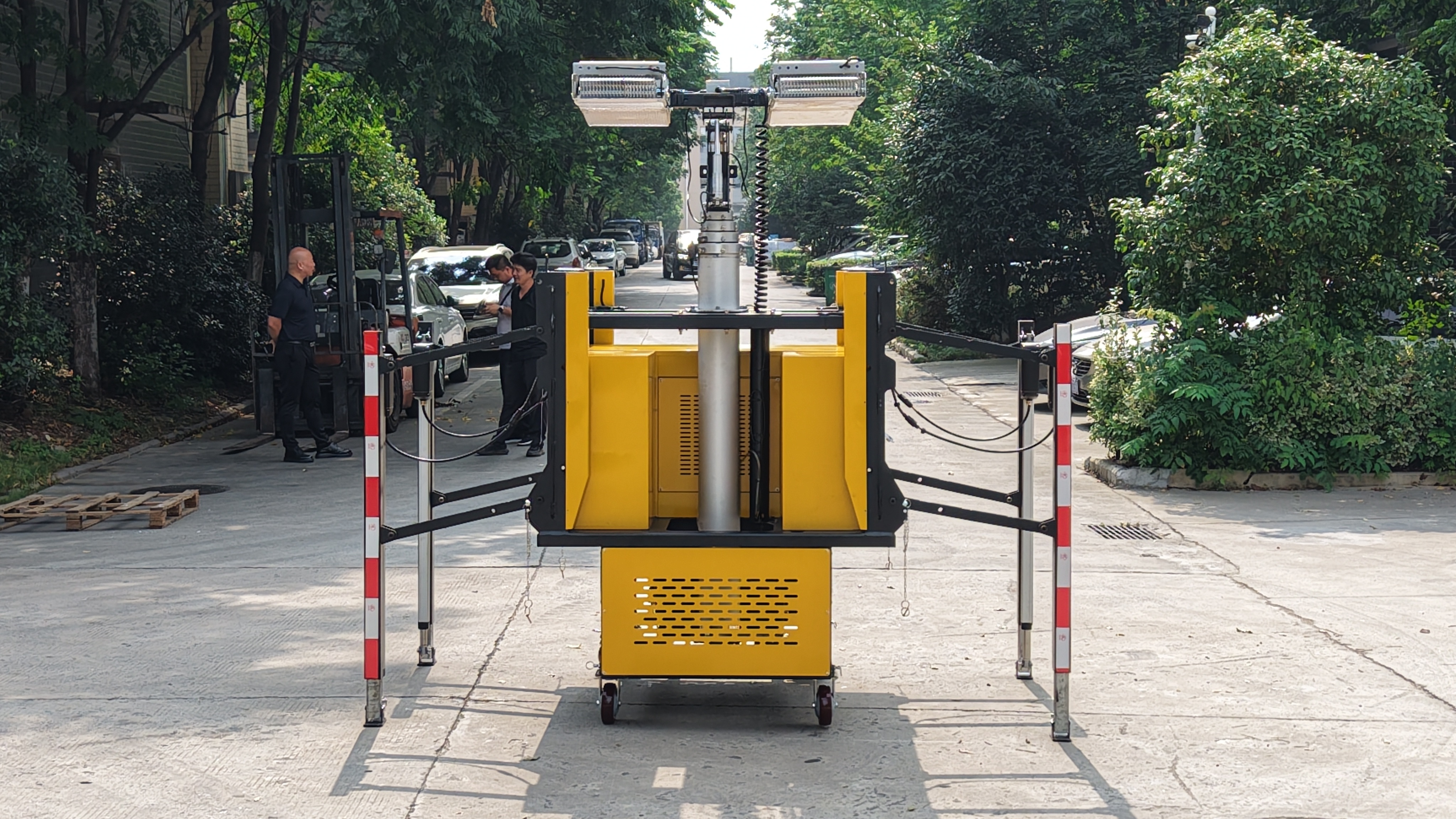
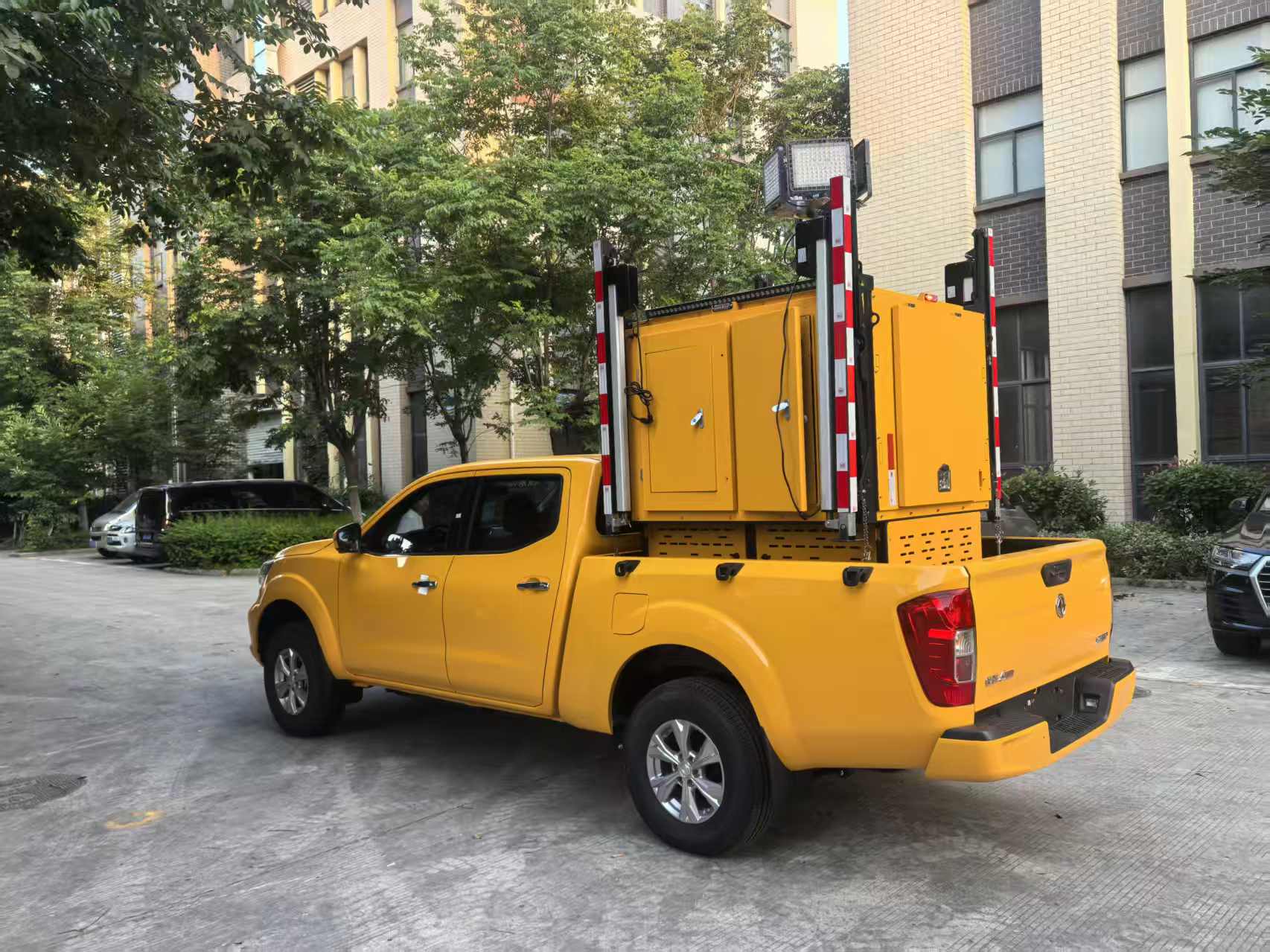
The core of the self-loading generator cabin lies in integrating loading and unloading capability into the cabin itself. Common implementations include built-in hydraulic outriggers and jacking mechanisms, retractable walking or towing components, and supporting and leveling structures, enabling the equipment to be loaded, unloaded, and positioned even at sites lacking lifting equipment.
- Cabin Integration: The generator set, control cabinet, power distribution, and grid-connection interfaces are integrated into a single cabin, reducing wiring and commissioning workload caused by dispersed layout.
- Self-Loading Mechanism: Lifting and landing are completed through the cabin's built-in mechanisms, reducing dependence on lifting resources and suiting emergency repair and temporary deployment scenarios.
- Structure and Protection: The cabin balances transport strength and operational protection, with access doors, ventilation, and heat dissipation channels for routine maintenance.
- Electrical Interface Reservation: Power output, control, and communication interfaces are reserved according to on-site grid-connection or standalone operation requirements, facilitating future expansion.
Please note that specific structural forms, materials, and protection ratings vary by configuration. Contact us for detailed parameters.
III. Synchronous Grid Connection: Coordination of Multiple Units and Multiple Power Sources
In scenarios requiring coordination with existing power sources or the utility grid, synchronous grid connection focuses on matching voltage, frequency, and phase angle, as well as timing the circuit breaker closing. Rongpan Technology considers grid-connection control as an integral part of the system in its solutions. Through detection and regulation, the generator-side output gradually approaches the bus to be connected, and closing is executed once conditions are met, reducing inrush current and power surges.
For engineering personnel, the practical value of grid-connection capability includes: parallel capacity expansion of multiple generator sets, switching and connection with existing power supply systems, and temporary power continuity during maintenance. The specific implementation and control strategy of grid-connection logic must be determined based on site conditions. Contact us for detailed parameters.
IV. Typical Application Scenarios and Selection Recommendations
- Power and Municipal: Rapid power supply for line maintenance, temporary deployment, and emergency repair; self-loading capability helps shorten preparation time after arrival.
- Firefighting and Rescue: When site conditions are complex and lifting resources are scarce, cabin self-loading reduces waiting for external equipment.
- Mining and Agriculture: For remote sites or seasonal power demand scenarios, equipment needs to be easy to transport and redeploy.
When selecting a model, it is recommended to first clarify the load characteristics and capacity range, whether grid-connected operation is required, transportation methods and road conditions, and on-site protection requirements, then determine the cabin structure and control configuration accordingly. After the parameter table is manually supplemented, it can be compared item by item with the above requirements.
V. Procurement and Engineering Coordination Tips
Rongpan Technology was established in March 2025 and is located in Jiahai Industrial City, Xinzhan District, Hefei City, focusing on the R&D and sales of emergency lighting and power generation equipment. For the self-loading and self-unloading power generation cabin and synchronous grid-connection solution, it is recommended to provide usage scenarios, load lists, and grid-connection target information during preliminary communication to enable targeted configuration. Specific technical parameters and certification information are not listed in this article; please contact us for detailed parameters.