Why Trailer-Mounted Solar Light Towers Are Gaining More Attention in Field Scenarios
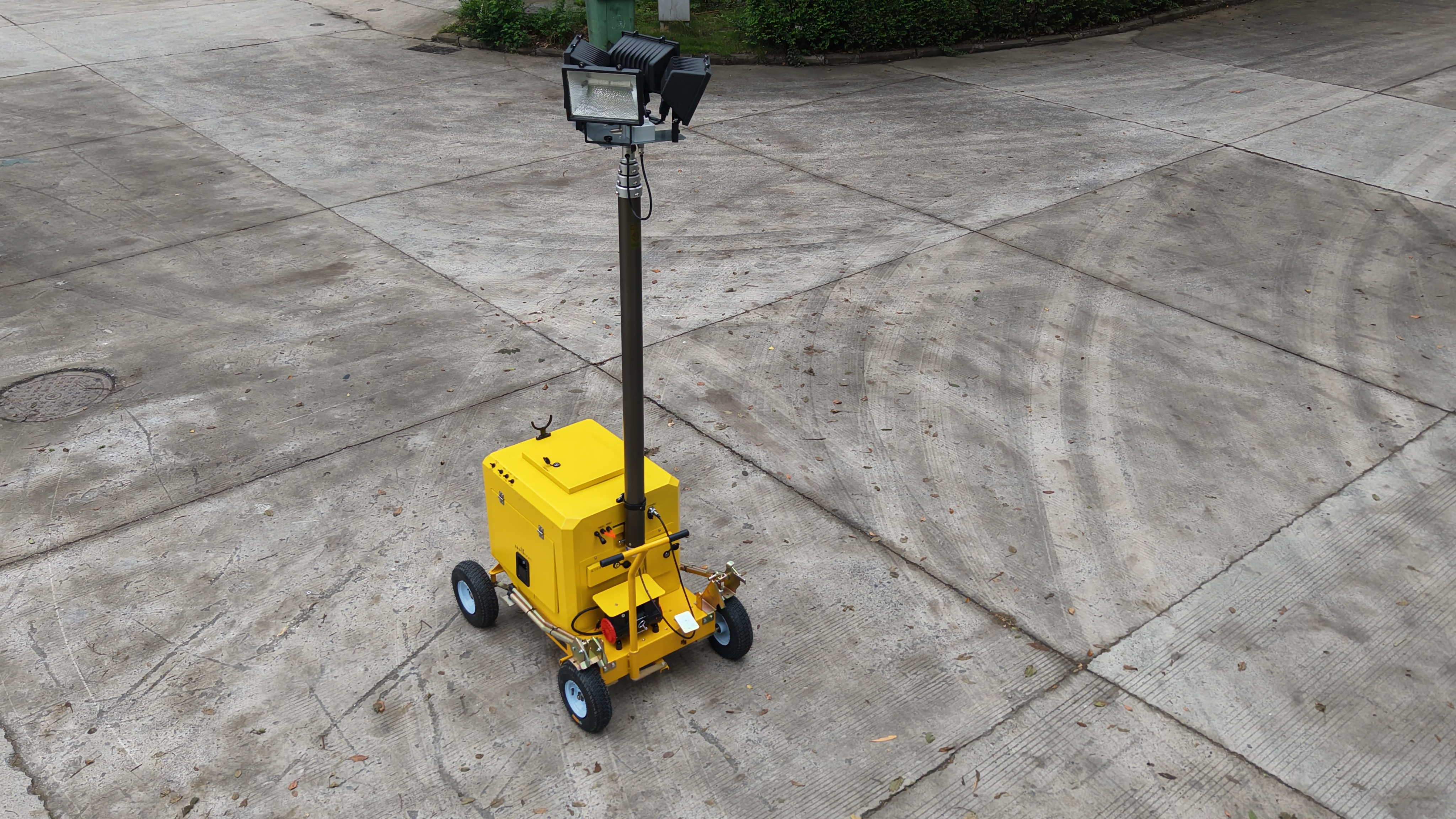
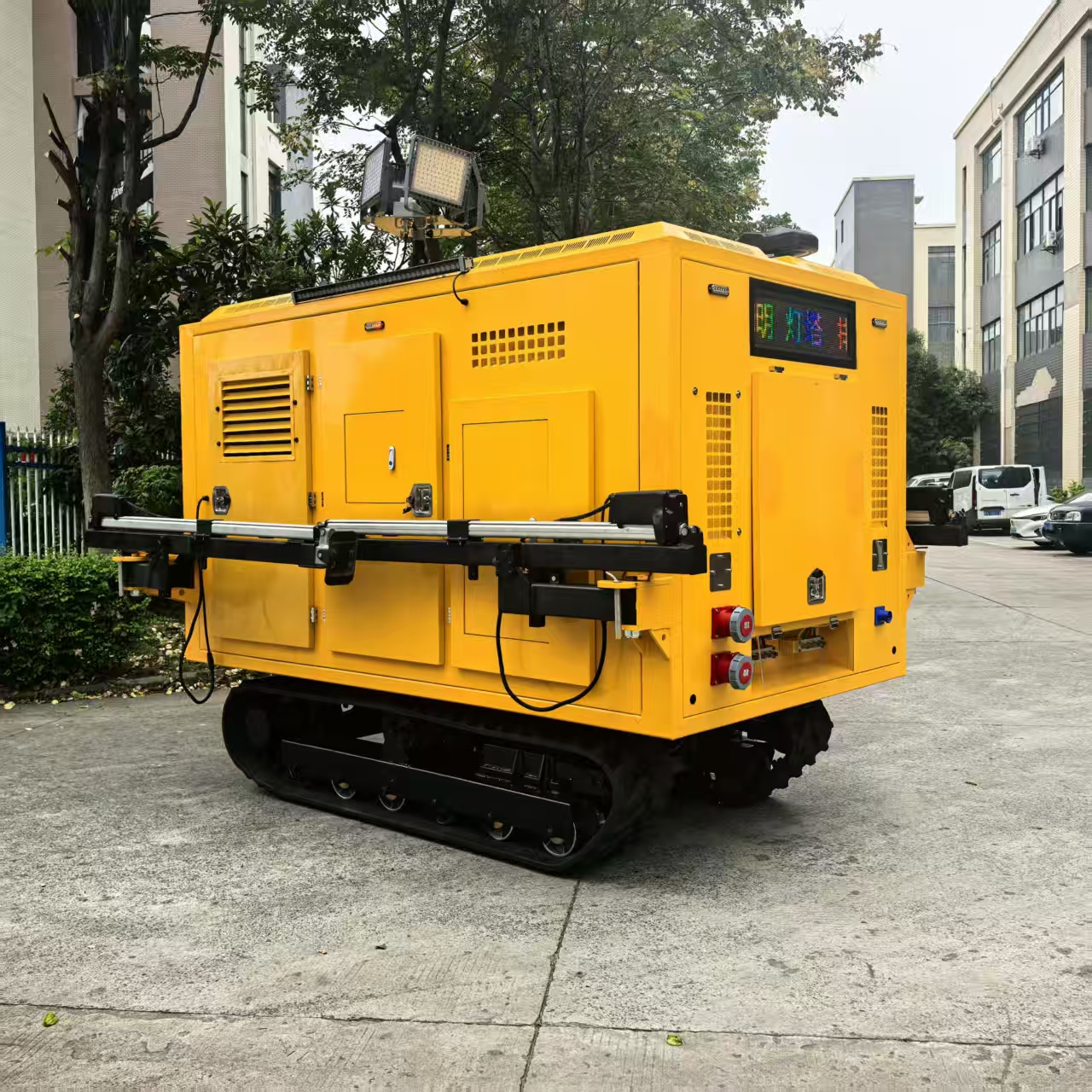
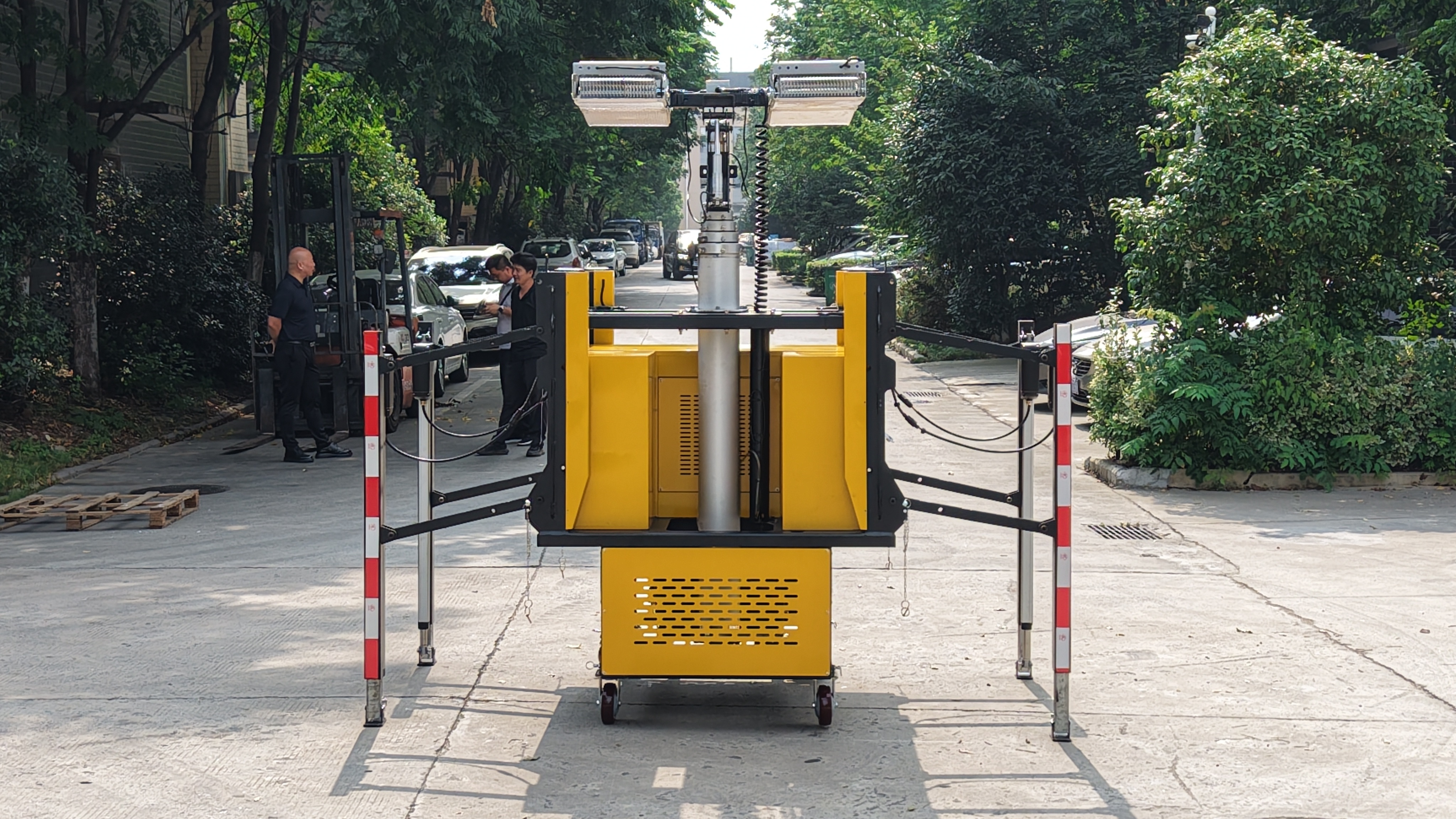
In scenarios such as power inspection, municipal emergency repair, mining operations, and nighttime agricultural production, lighting needs often arise in locations without stable grid power, and operation cycles vary in length. A trailer-mounted mobile solar light tower integrates power generation, energy storage, and lighting into one towable unit. Once on site, it can be put into use without complex wiring, and it can be relocated as a whole when withdrawn. For construction teams that frequently change locations, this "ready on arrival, leave when done" approach reduces the coordination cost of temporary power connections and lowers dependence on refueling associated with diesel generators.
Anhui Rongpan Technology Co., Ltd. conducts R&D and sales of emergency lighting and power generation equipment. The mobile solar light tower is one of its product directions for outdoor and emergency scenarios, serving fields including power, municipal, firefighting, mining, and agriculture.
Layout Logic and Structural Features of Five Solar Panels
The core of a five-panel solar configuration lies in allocating the limited light-receiving area across a longer effective power-generation period. A common approach is a deployable panel array: panels are folded during transport to control vehicle width, then deployed on site at different orientations, reducing the shortfall of a single orientation during morning and evening hours. For work sites occupied over multiple consecutive days, this layout helps recharge the energy storage unit during the day and supply the lighting fixtures at night.
- Panel array deployment and stowage: Folded for transport, deployed for operation, balancing road passage and light-receiving area.
- Trailer chassis: Equipped with a towing structure and support legs; leveled and secured on site, suitable for unpaved ground.
- Lighting fixtures and lifting: Light assemblies are mounted on a liftable mast, with illumination range adjusted to the working surface height.
- Energy storage and controller: Battery and control modules are centrally arranged for routine inspection and maintenance.
It should be noted that the number of solar panels, power-generation capacity, energy storage capacity, and lighting fixture power are interrelated; the specific configuration must be determined based on local sunlight conditions and nighttime lighting duration. Please contact us for detailed specifications.
Typical Application Scenarios and Deployment Recommendations
Power and municipal emergency repair: Work sites are often on roads or in the field. The trailer-mounted structure can be towed to the site by engineering vehicles; once the panel array is deployed, it provides lighting for nighttime repairs, reducing the noise and refueling involved with temporary generators.
Firefighting and emergency support: In areas with power outages or restricted road access, the equipment can be quickly deployed at assembly points to provide directional lighting for on-site operations; once the panel array is deployed, it recharges using daylight.
Mining and agriculture: For scenarios such as temporary mining work sites, nighttime agricultural harvesting, or irrigation duty, lighting duration and relocation frequency requirements vary; energy storage configuration and the number of lighting fixtures can be selected according to shift schedules.
Three points are recommended during deployment: first, level the support legs before deploying the panel array on site to avoid uneven stress on the panels; second, adjust the panel array orientation according to local sunlight patterns; third, establish a routine of regularly checking panel surface cleanliness and wiring condition to maintain power-generation efficiency.
Key Questions Worth Confirming During Procurement and Selection
During selection, procurement and engineering personnel may first clarify the nighttime lighting duration and coverage area for the intended use scenario, then work backward to determine luminaire power and energy storage requirements. At the same time, confirm whether the towing method and transport dimensions match existing vehicles, as well as the site conditions required for deploying the panel array. For rainy or dusty environments, it is also advisable to understand the equipment's protective design and maintenance convenience. Anhui Rongpan Technology Co., Ltd. can provide configuration discussions based on specific scenarios, with parameter tables confirmed after manual entry.