I. Product Positioning and Typical Application Scenarios
The synchronous grid-connected generator cabin is mobile power equipment launched by Anhui Rongpan Technology for emergency power supply and temporary power guarantee needs. With the 200kW power range as the basic unit, the product supports parallel function, enabling multiple cabins to operate in parallel on site for capacity expansion and load distribution. For procurement and engineering personnel, understanding its application boundaries is the first step in selection.
In the power industry, such cabins can be used for temporary load transfer during substation maintenance, transitional power supply during line renovation, and independent power support at remote work sites. In the municipal field, they are commonly used in road construction, pipe network maintenance, and large event support, requiring equipment with rapid deployment and low-noise operation capabilities. Fire protection and mining scenarios place greater emphasis on the startup reliability and parallel expansion capability of the cabins under emergency conditions, so as to build a temporary power supply network in a short time. In agriculture, seasonal loads such as irrigation and drying can also benefit from the mobility of the cabins for equipment reuse.
It should be noted that parameters such as specific power output, number of parallel units, and switching time need to be determined based on on-site load characteristics and grid-connection requirements. Please contact us for detailed parameters.
II. Value and Engineering Essentials of Parallel Operation Function
Parallel operation is the core feature that distinguishes synchronous grid-connected power generation shelters from standalone power supply equipment. Its engineering value is mainly reflected in three aspects: first, capacity flexibility—when a single 200kW shelter cannot meet load demand, power supply capacity can be increased through parallel operation, avoiding one-time procurement of high-power equipment; second, redundancy assurance—when multiple units operate in parallel, maintenance or failure of a single unit does not affect overall power supply continuity; third, load adaptability—the parallel system can adjust the number of operating units according to actual load, reducing efficiency losses caused by low-load operation.
At the engineering implementation level, parallel operation imposes requirements on synchronization control, load distribution, and protection coordination. Shelters need corresponding synchronization detection and adjustment capabilities to ensure that parallel units remain consistent in voltage, frequency, and phase. During procurement, the parallel interface form, control logic, and protection configuration should be clearly specified, and on-site commissioning should be completed by qualified professionals. Anhui Rongpan Technology focuses on compatibility with parallel operation scenarios in the design of such shelters; specific control schemes and interface definitions can be obtained by contacting the technical team.
III. Structural Features and On-Site Adaptability
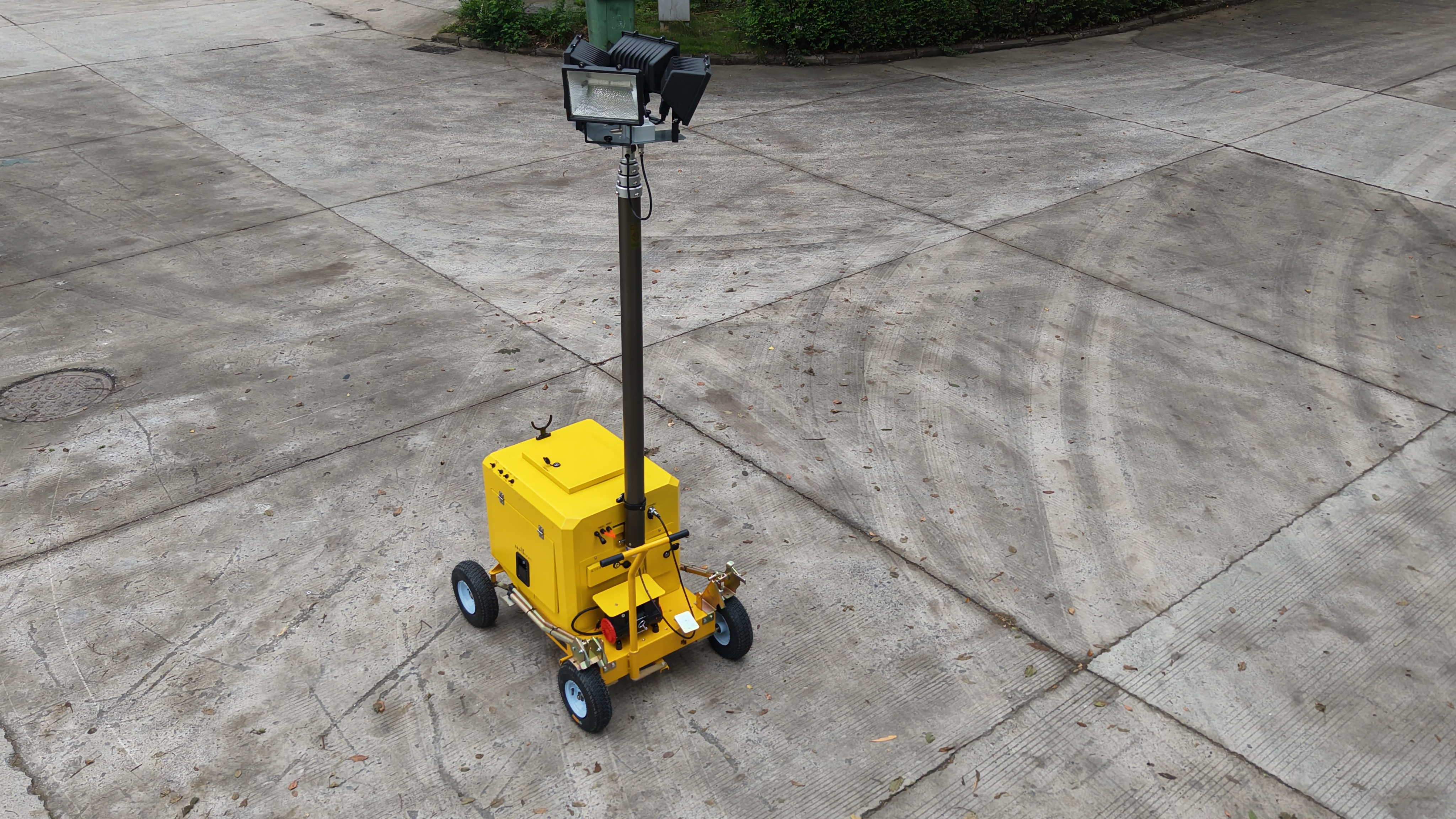
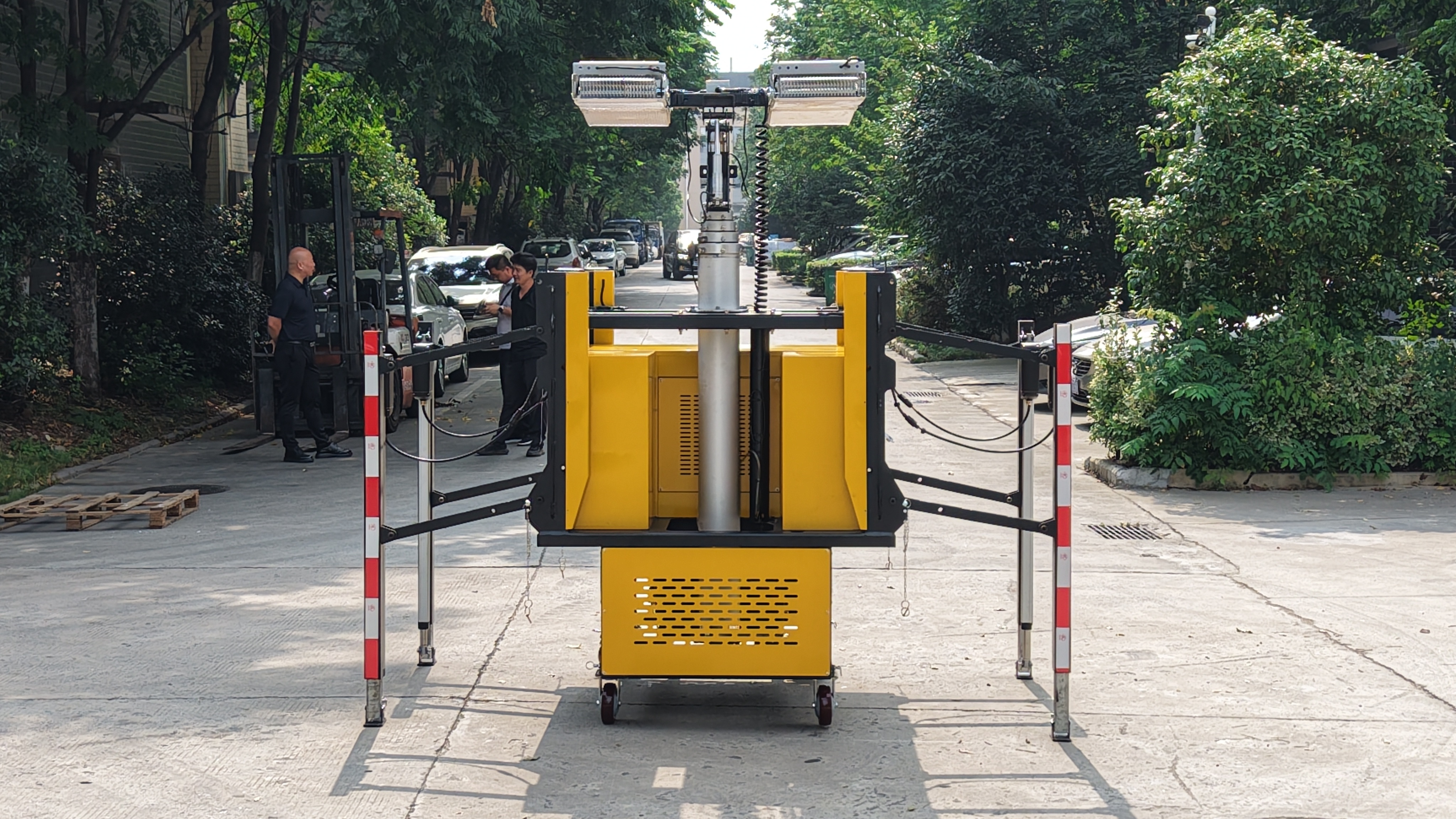
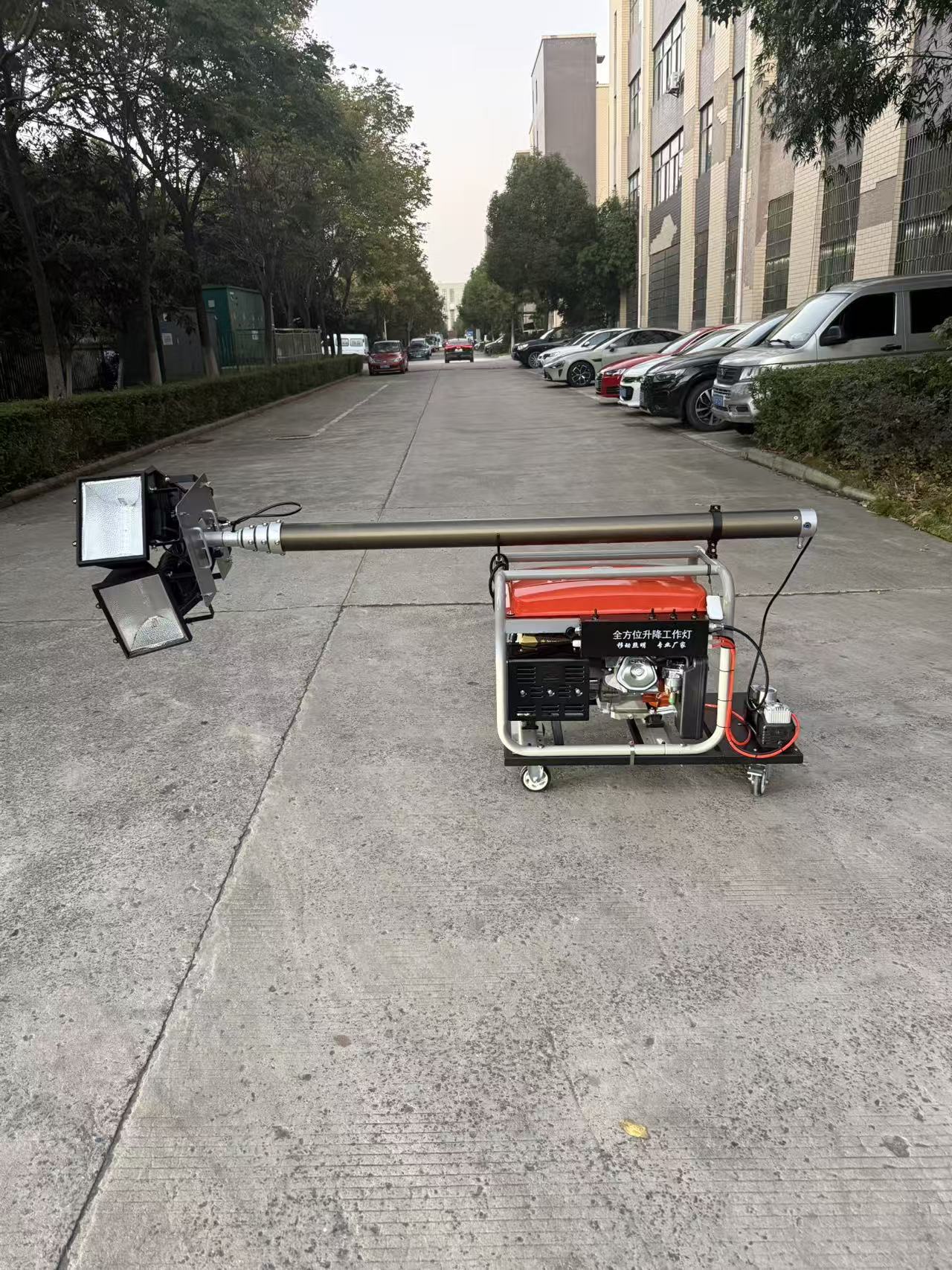
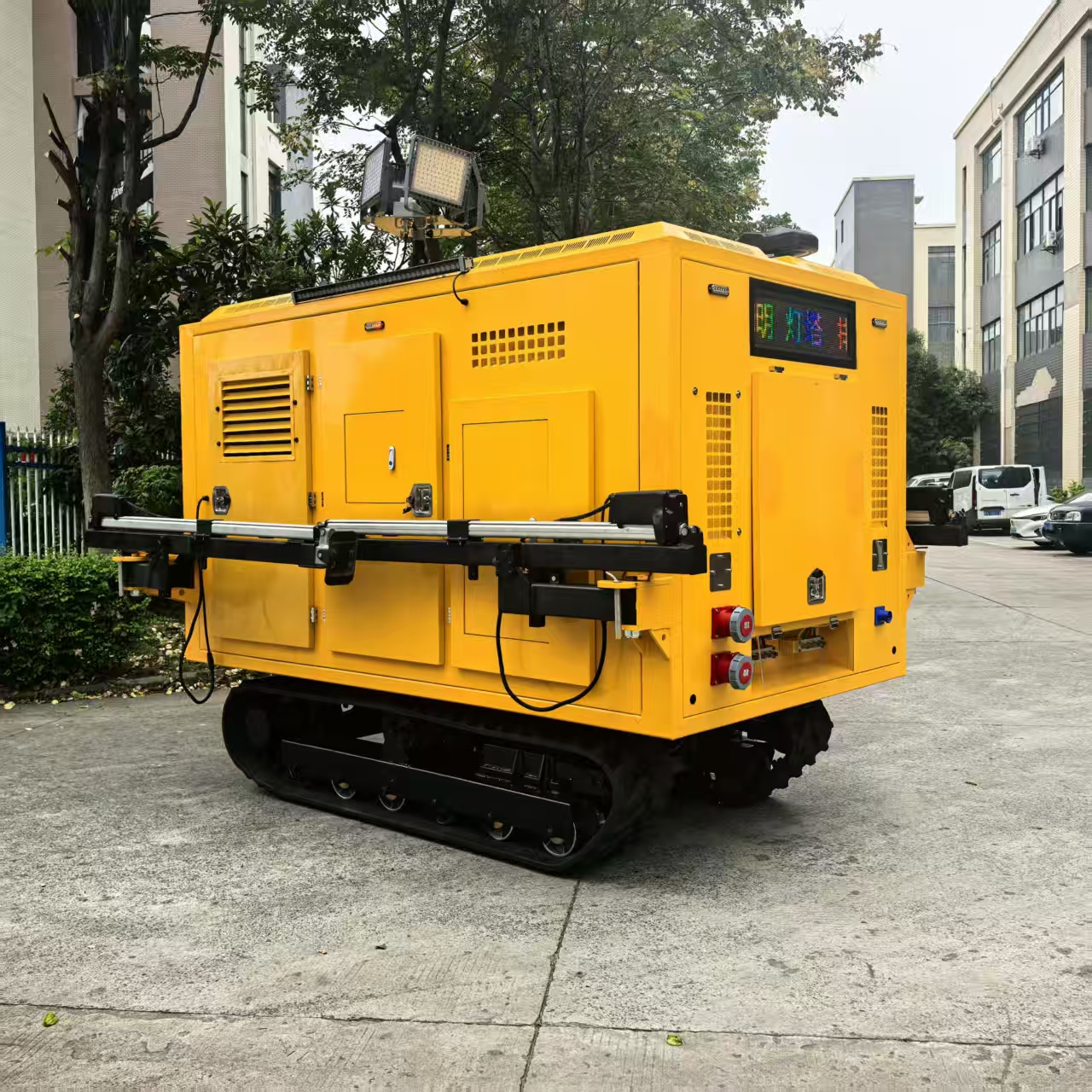
The synchronous grid-connected power generation shelter adopts a cabin-type structure, integrating the generator set, control unit, parallel interface, and auxiliary systems within a movable carrier. The cabin design takes into account both transportation and operation requirements, typically considering transfer methods such as lifting, forklifting, or towing to facilitate deployment among industrial parks, construction sites, and emergency sites.
In terms of environmental adaptability, the cabin must withstand outdoor conditions such as temperature differences, dust, and humidity. Ventilation, heat dissipation, and exhaust paths should be rationally laid out to avoid impact on surrounding personnel and equipment. Noise reduction is a key concern in municipal and firefighting scenarios; the cabin structure can adopt corresponding measures along the propagation path, and specific noise levels are subject to actual measurement or factory specifications. The electrical section emphasizes standardized wiring and clear labeling, and the layout of parallel interfaces, output terminals, and grounding points should facilitate rapid on-site connection and inspection. In addition, the shelter can reserve external communication and monitoring interfaces to provide conditions for subsequent integration into on-site management systems.
IV. Selection and Procurement Recommendations
When procuring synchronous grid-connected power generation shelters, it is recommended to clarify requirements from three dimensions: load demand, parallel operation scale, and on-site conditions. First, define normal load and peak load, determine whether a single 200kW unit meets basic requirements, and assess whether space should be reserved for parallel expansion. Second, confirm the upper limit of parallel units and the load distribution method, and evaluate the compatibility of the on-site power distribution system and protection devices. Third, examine transportation access, placement site, and exhaust and heat dissipation conditions to ensure that the shelter can be smoothly positioned and operated upon arrival.
Anhui Rongpan Technology was founded in March 2025 and is located in Jiahai Industrial City, Xinzhan District, Hefei, focusing on the R&D and sales of emergency lighting and power generation equipment. For configuration options, parallel operation solutions, and delivery lead times of synchronized grid-connected power generation cabins, we recommend contacting our sales or technical team directly to obtain tailored information based on actual project requirements. Please contact us for detailed specifications.