Why on-site survey should precede equipment selection
The real difficulty of emergency drainage during the flood season often lies not in the equipment itself, but in the fact that the equipment cannot enter, cannot be parked, or cannot discharge after arriving on site. The self-loading and self-unloading drainage shelter has self-loading and self-unloading capability and low dependence on cranes, but this does not mean that on-site conditions can be ignored. If procurement and engineering personnel conduct an on-site survey before requesting quotations, many hidden costs can be exposed in advance, avoiding temporary plan changes after the equipment arrives.
The goal of the survey is not to draw an accurate construction drawing, but to answer four questions: whether the vehicle can reach the site, whether the equipment can be placed, whether the water can be discharged, and whether personnel can operate safely. The following is expanded according to these four dimensions.
Verification of Road Access and Entry Routes
Self-loading drainage shelters are typically transported to the site by truck. The following points must be carefully verified for the entry route:
- Road width and turning radius: Turning space in older residential areas, underground garage entrances, and township roads is often tight. Key curves must be measured on site rather than judged by experience.
- Height and width restrictions: Culverts, overhead pipelines, gantries, and tree branches along the route may become obstructions, and are especially easy to overlook during nighttime entry.
- Road load-bearing capacity: The bearing capacity of temporary access roads, backfilled earth roads, and green belt edges decreases after rain saturation. Heavy vehicles face settlement risks; steel plates should be laid in advance or routes diverted where necessary.
- Entry timing and traffic control: During flood season, traffic control may be implemented on certain road sections. Coordinate with local authorities in advance to confirm passable time windows and temporary parking permits.
It is recommended to compile the above information into a one-page entry route record, marking obstruction points and alternative routes, to be circulated together with the equipment dispatch order.
Reservation of Parking Position and Operating Space
After the shelter is in position, operations such as unfolding, pipe connection, and maintenance are required. The parking position should not be selected based merely on whether open space exists.
- Ground levelness and firmness: The shelter generates vibration and concentrated loads during operation. Soft ground, areas above manhole covers, and directly above underground pipelines are unsuitable for long-term parking.
- Operating-side space: Pipe connection, wiring, and maintenance are usually concentrated on one or both sides of the shelter. Space must be reserved for personnel standing and tool placement, avoiding encroachment by barriers, vehicles, or debris.
- Distance from water accumulation points: If the parking position is too far from the water intake point, pipe length and friction losses increase; if too close, it may be affected by rising water levels. Judgment should be based on historical water level data.
- Auxiliary conditions for lifting and self-loading: Even if the equipment is self-loading, confirm that no surrounding obstacles impede the operation. Lighting conditions must be considered for nighttime operations.
Feasibility of Drainage Discharge and Pipeline Layout
Drainage cabins solve the problem of "pumping water away," but where the water goes and how it gets there is often the most challenging part on site.
- Receiving capacity of receiving water bodies or municipal pipe networks: Before discharging into municipal pipe networks, confirm whether the pipes are at full capacity and whether there is a risk of backflow; for discharge into rivers or ditches, pay attention to downstream flow capacity.
- Pipeline routing: When crossing roads, determine whether road breaking or temporary crossing structures are required; check whether hose routes are exposed to vehicle crushing or sharp-object damage.
- Elevation difference and distance: Pump head and pipe length directly affect drainage efficiency. During site survey, record the elevation difference and approximate distance between the intake point and discharge point as the basis for equipment selection and configuration. Consult the manufacturer for specific parameters based on operating conditions.
- Environmental and discharge requirements: Some scenarios have management requirements for discharge water quality and discharge points, which must be confirmed with the relevant authorities in advance.
Confirmation of Power, Lighting, and Safety Conditions
Drainage operations often last for extended periods, and power and lighting conditions directly affect operational continuity.
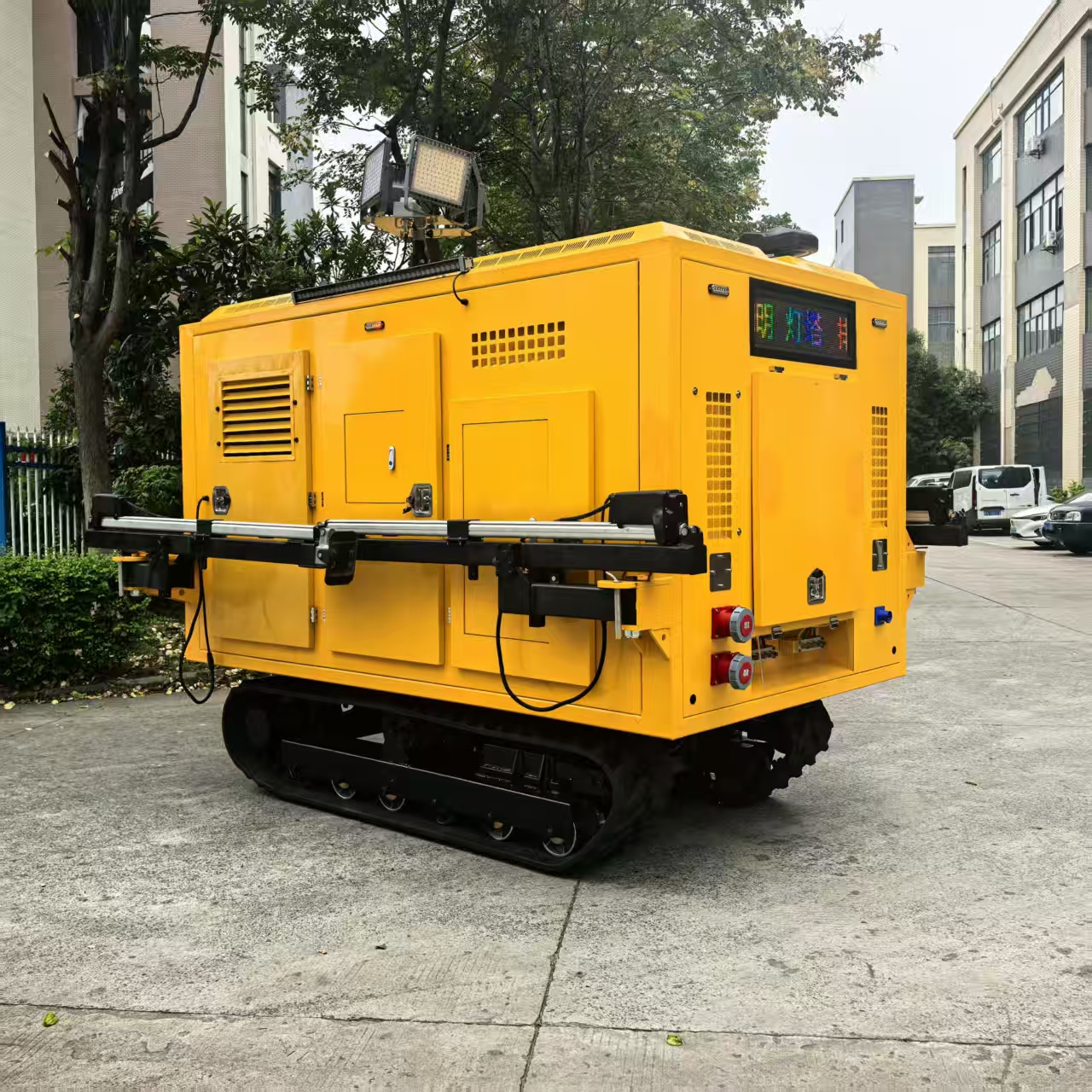
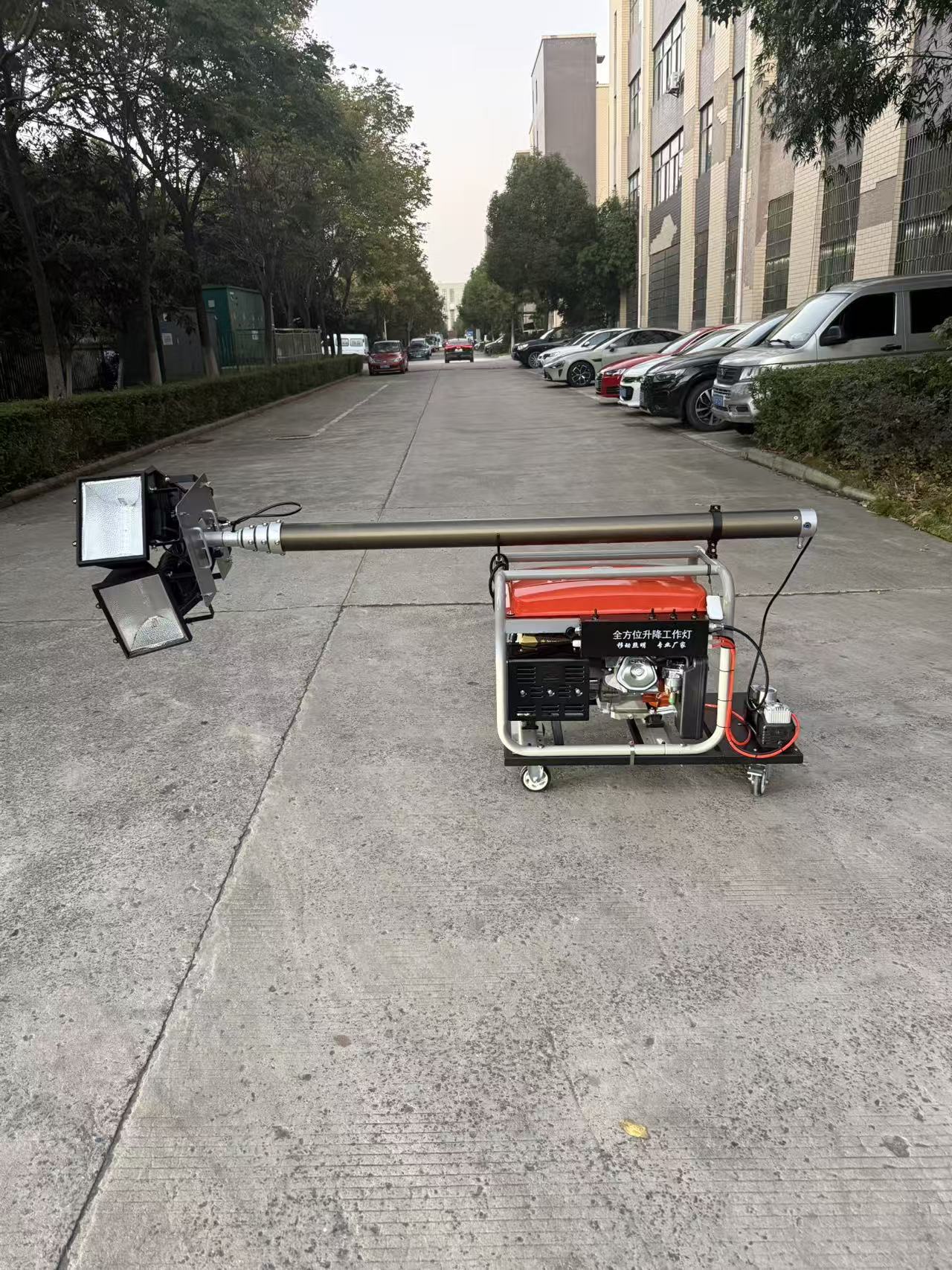
- Power supply conditions: Check whether on-site power is available, whether capacity is sufficient, and whether the connection point is safe. If relying on onboard generating equipment, fuel supply and exhaust location must also be considered.
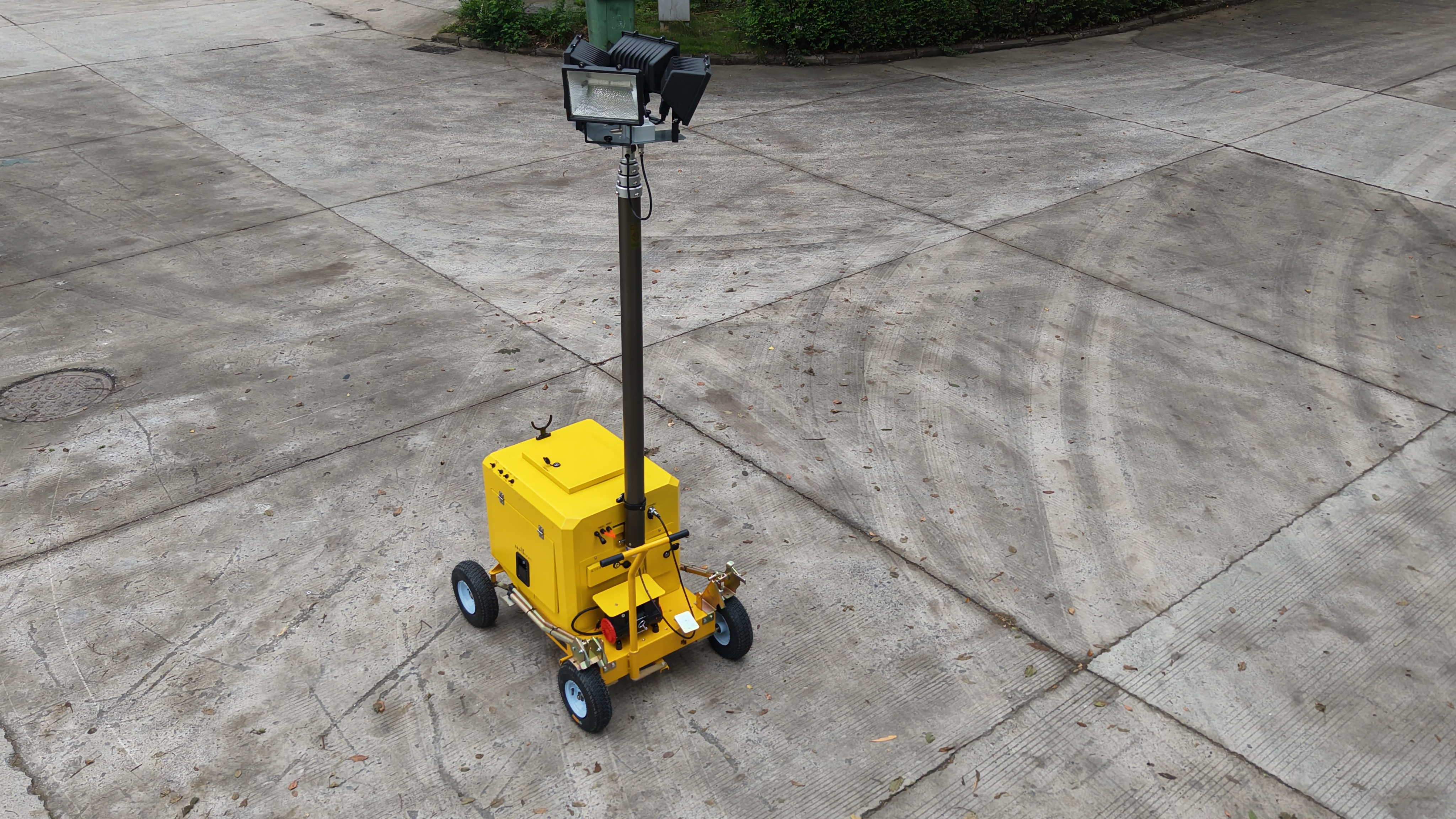
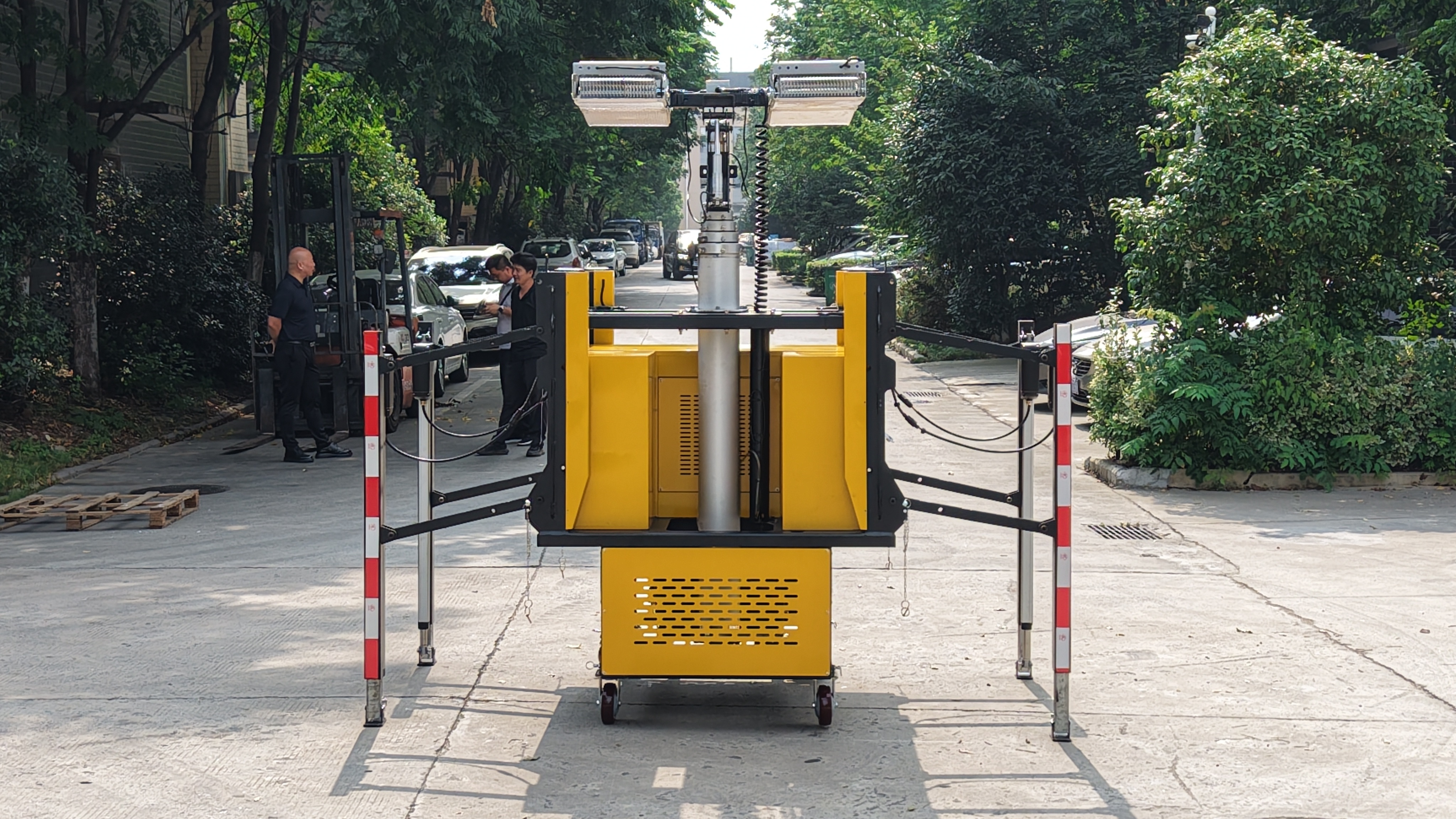
- Work lighting: Nighttime emergency operations require stable work-area lighting. During site survey, record locations and orientations for placing lighting equipment to avoid glare affecting traffic and residents.
- Personnel safety: Risk points such as near-water operations, live electrical work, and roadside operations should be identified in advance. Requirements for barriers, warnings, and lifesaving facilities should also be included in the survey record.
By consolidating the above four categories of information into a site conditions record, procurement and engineering personnel can describe requirements more accurately during selection discussions, reducing repeated adjustments after equipment arrives on site. Anhui Rongpan Technology Co., Ltd. has accumulated engineering-side experience in scenario-based configuration of emergency drainage and lighting equipment. Specific configuration plans can be further discussed and confirmed based on site conditions.